
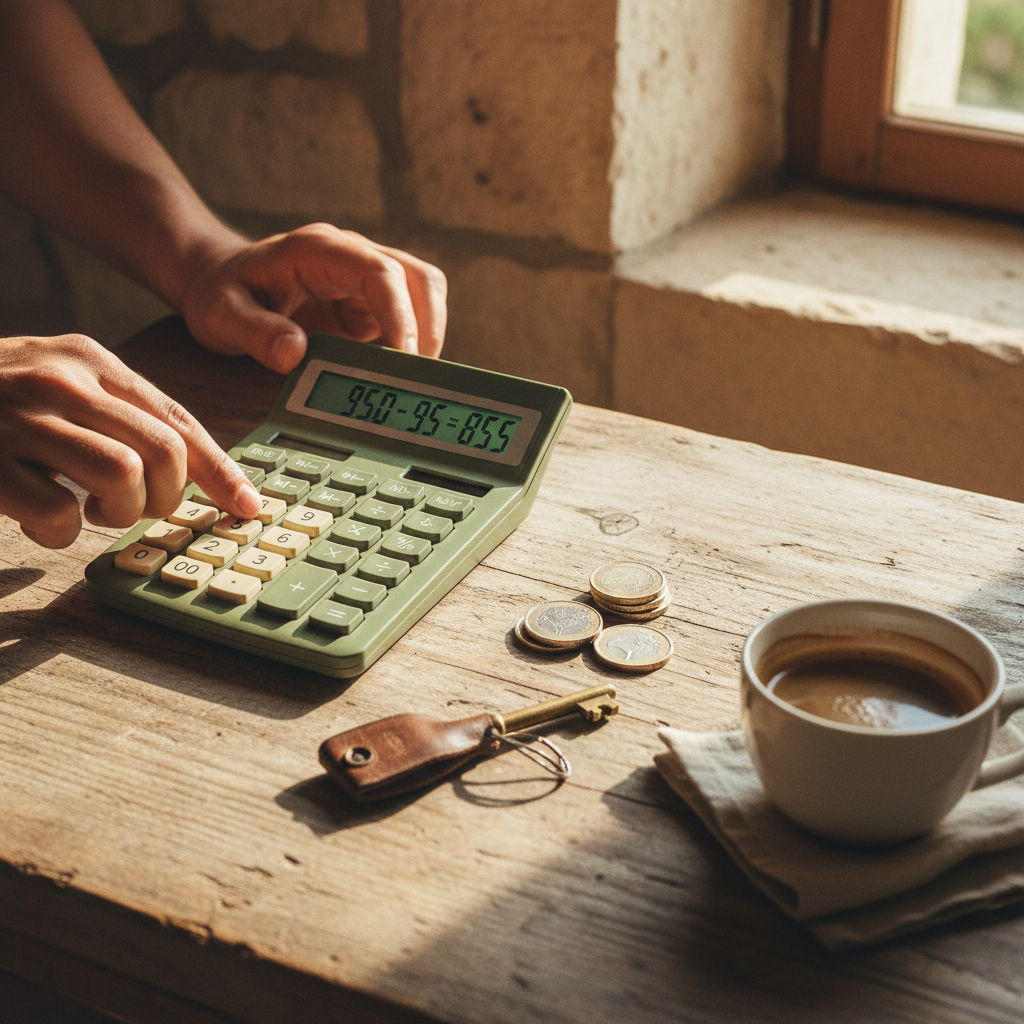
Booking.com's 18% Commission: A Guide to Direct Bookings in 2026
BookiApp Tim
Guest Experience App for Vacation Rentals
Key takeaway
The main goal is to convert a one-time Booking.com guest into a direct, repeat customer. This is achieved by collecting contact info during their stay (with GDPR consent), offering a 10-15% discount for their next visit via your own website, and using efficient payment tools like Stripe. While Booking.com's commission is 15-18%, Croatian hosts must also pay a 25% VAT on that fee, bringing the effective cost to 18.75-22.5%. By offering a 10% direct booking discount, your net earnings are significantly higher.
Key points
- 1Understand the Real Cost: Booking.com's 15-18% commission becomes 18.75-22.5% after you pay the mandatory 25% Croatian VAT on the fee.
- 2Timing Is Everything: The best time to convert a guest is during their stay by collecting their email with GDPR consent during the eVisitor check-in process.
- 3Offer a Win-Win Discount: A 10-15% direct booking discount makes the guest's stay cheaper while increasing your net profit per night.
- 4Build Your Own Channel: A simple website with a booking engine and a payment processor like Stripe is essential for accepting secure, direct reservations.
- 5Stay GDPR Compliant: Always get explicit, opt-in consent via an unchecked box before adding a guest's email to your marketing list.
Table of contents
High commissions from online travel agencies (OTAs) like Booking.com are an unavoidable business cost for most vacation rental hosts in Croatia. In 2026, these commissions range from 15% to 18%, significantly reducing profitability, especially in highly competitive cities like Split, Dubrovnik, and Rovinj.
A strategy of converting guests from OTA platforms into direct, repeat clients is no longer just an option—it's a crucial element for long-term business sustainability. Building your own sales channel reduces dependency on external platforms and increases your net income per booking.
This guide explains proven methods for legally encouraging direct bookings from guests who first found you on Booking.com.
— 01Why Booking.com Prohibits Direct Communication (and How to Legally Establish It)
Booking.com prohibits exchanging personal contact details (email, phone, website links) through its messaging system before a guest has checked in. This policy protects their business model, as they cannot collect commission on bookings arranged off-platform. Attempting to bypass this rule can lead to temporary or permanent account suspension.
The legal and safe way to establish direct contact happens only after the guest arrives at your property. At that moment, you have a legal obligation to collect the guest's personal data for registration in the eVisitor system, as stipulated by the Hospitality and Catering Industry Act. This is your opportunity, while respecting GDPR rules, to also request an email address for future communication.
The most valuable moment for conversion isn't before arrival, but during the guest's stay, when their satisfaction with your service is at its peak.
— 02The Welcome Packet: Your First Step Toward a Direct Booking
An effective welcome packet, whether digital or physical, contains a personalized message, a QR code leading to your website, and a clear call to action for future bookings, such as "Book direct and save 10%." The key is to offer genuine value and make the process easy for the guest, rather than just aggressively asking for their email.
A digital welcome packet sent via WhatsApp or Viber after check-in is most effective. Here's what it should include:
- Personalized Welcome: A message using the guest's name.
- Key Information: Wi-Fi password, appliance instructions, recommendations for local restaurants and activities.
- A Link to Your Website: A simple link with a call to action, e.g., "Save our site for your next visit to Hvar!"
- A Clear Discount: Explicitly state the discount they'll receive if they book directly next time. For example: "All our returning guests receive a 10% discount on direct bookings."
A physical element in the apartment, like an elegant card with a QR code on the table, reinforces this message. The QR code can lead directly to your booking page.
— 03Your Website: The Minimum Viable Setup for Direct Bookings
A minimum viable website for direct bookings needs three key elements: high-quality photos, a clear availability calendar, and an integrated payment system. The goal isn't to compete with Booking.com's reach, but to offer a simple, secure channel for repeat guests and those who find you through referrals.
These are the essential components:
- 1 Visual Identity: Professional photos and a detailed description of the property, amenities, and location.
- 2 Availability Calendar: An embedded widget (booking engine) that syncs with your Booking.com and Airbnb calendars to prevent overbooking. Tools like Hit-Booker or Smoobu offer these solutions.
- 3 Payment System: Integration with a payment service provider like Stripe.
- 4 Clear Call to Action (CTA): A visible "Book Now" or "Check Availability" button.
Creating such a site doesn't require advanced technical skills. Platforms like Squarespace, Wix, or the simpler Carrd (for single-page sites) offer ready-made templates that can be customized in a few hours.
— 04How to Collect Direct Payments: Booking Widget vs. Stripe vs. PayPal
For direct payments, Stripe stands out as the most professional solution due to its easy integration with most booking engines and competitive fees, which are 1.5% + €0.25 for standard European cards. It's important to note that fees for non-EU cards, such as from the UK (2.5% + €0.25) or the rest of the world (3.25% + €0.25), are noticeably higher. PayPal is often perceived as easier to set up, but its fees for commercial transactions within Europe (2.90% + €0.35) are higher than Stripe's base rate. Using Booking.com's own widget is an option, but it keeps you within their ecosystem.
| Feature | Stripe | PayPal | Bank Transfer |
|---|---|---|---|
| Fee (EU cards) | ~1.5% + €0.25 | ~2.90% + €0.35 | €0 (but fees may apply) |
| User Experience | Excellent | Good | Poor (manual entry) |
| Automation | Full | Partial | None |
| Guest Security | High | High | Low |
| Recommended For | Professionals | Beginners | Not recommended |
A bank transfer is the cheapest option but offers the worst user experience and doesn't inspire confidence in foreign guests accustomed to paying by card.
— 05The Repeat Guest Discount: How Much Do You Really Save?
By offering a 10-15% discount for a direct booking, hosts still earn more because they completely avoid not only the 15-18% Booking.com commission but also the mandatory VAT on that commission, bringing the effective cost up to 22.5%. The guest gets a significantly lower price, while you secure a higher net income and build a base of loyal customers, reducing your dependency on OTAs.
Let's look at a specific calculation for an apartment in Trogir with a price of €150 per night:
- Scenario 1: Booking via Booking.com
- Scenario 2: Direct booking with a 10% discount
€18.75
More earnings per night
€15
Savings for the guest per night
100%
Control over communication and policies
In this example, you earn €18.75 (almost 16%) more per night, while the guest pays €15 less. It's a win-win situation that fosters loyalty.
— 06GDPR and Email Collection: How to Stay Compliant
According to the General Data Protection Regulation (GDPR), you may only collect and use a guest's email address for marketing purposes with their explicit and unambiguous consent. The data you collect for registration in the eVisitor system (name, surname, document number) has a legal basis and must not be used for sending promotional offers without additional consent.
The best practice is to implement an online check-in form (using tools like Google Forms or specialized solutions) that includes a separate, unchecked checkbox with clear text:
[ ] Yes, I would like to receive occasional updates about special offers and discounts for a future stay at your property. I can withdraw my consent at any time.
Collecting consent verbally or implicitly is not GDPR-compliant and carries a risk of fines. Always keep a record of the consent given.
BookiApp Data
From an analysis of 200+ hosts in the BookiApp database, those using an online check-in form with an optional newsletter checkbox have a consent rate of around 35%. This means more than a third of guests willingly agree to future communication.
Case Study: A German Family in Rovinj
The Schmidt family from Munich books an apartment in Rovinj for 7 days in August through Booking.com. The price is €200 per night (total €1,400). The host pays an 18% commission (€252).
- 5 During the stay: The host sends the Schmidt family a link to an online check-in form for eVisitor registration. The form includes an optional checkbox for receiving offers, which they tick.
- 6 At departure: The host personally thanks them for their stay and mentions that as returning guests, they get a 15% discount if they book directly through the host's website next time.
- 7 After the season: In January, the host sends an email to everyone on the mailing list, offering an early-bird discount. The Schmidt family decides to come back.
- 8 Direct booking: They book directly on the website. The €200 price is reduced by 15% (€30), so they pay €170 per night. The total is €1,190. The guest saved €210, and the host earned €1,190 instead of the €1,148 (€1400 - €252) they would have received through Booking.com.
This strategy requires organization, but it builds a more resilient and profitable business in the long run. Converting even a small percentage of guests into direct bookings each year has a cumulative effect on your revenue.
Sources
Frequently asked questions
1What percentage of guests actually return for a direct booking?
Industry data shows that experienced hosts with an optimized process manage to convert between 5% and 15% of their OTA guests into direct, repeat customers. The success rate depends on the quality of service, location, and the effectiveness of post-stay communication.
2Can I give a guest a business card with a discount and a website link at checkout?
Yes, this is completely legal and highly recommended. The moment a guest is physically at your property, you are no longer subject to Booking.com's communication restrictions. A business card, flyer, or personalized thank-you note with a QR code is an excellent tool for encouraging direct bookings.
3What if a guest books directly and then cancels? How can I protect myself?
Use a payment system like Stripe that allows you to pre-authorize a credit card or charge a deposit (e.g., 30%) at the time of booking. Define clear cancellation policies on your website, similar to the ones you have on Booking.com, to protect yourself from lost revenue.
4Is managing my own website too complicated?
In 2026, tools like Squarespace, Wix, or even the simple Carrd make it possible to create a professional-looking website without any coding knowledge. The cost (around €15-€30 per month) is negligible compared to the commission savings from just one or two direct bookings.
BookiApp Tim
Guest Experience App for Vacation Rentals
The BookiApp Team combines hands-on hosting experience with market data analysis. We write practical guides for small-scale hosts of apartments, villas, and rooms—no fluff, just concrete numbers and verified sources.
Related articles

Vacation Rental Insurance: What Airbnb and Booking Don't Cover (2026)
Think Airbnb AirCover or Booking.com's insurance has you covered? Discover what these platforms miss, from guest liability to property damage, and what policy you actually need.
Read more
How to Get Guests to Book Direct and Save 18% on Commissions
A guide for vacation rental hosts in Croatia: Learn how to legally encourage guests to book direct, avoid Booking.com's 15-18% commission, and build a loyal guest base.
Read more