

Post-Season in Croatia: How to Attract Germans and Scandinavians in September
BookiApp Tim
Guest Accommodation App
Key takeaway
September in Croatia brings a shift in guest profiles: fewer families with children and more couples, often older guests from Germany and Scandinavia. These guests seek peace, authentic experiences, and reliable internet rather than summer crowds. Adjusting prices by 15 to 25% compared to August and optimizing listing content are crucial for filling the post-season calendar. With targeted marketing and property preparation for cooler nights, hosts can significantly increase their annual revenue.
Key points
- 1Guest profile: September guests are often older couples from Germany and Scandinavia traveling outside school holidays.
- 2Pricing policy: A rule-of-thumb price reduction of 15 to 25% compared to the peak season helps fill the calendar.
- 3Focus on amenities: Heating, high-quality fast internet, and recommendations for local activities are crucial for this segment.
- 4Cancellation flexibility: Switching to more flexible cancellation policies makes it easier for guests to commit to a September booking.
Table of contents
September in Croatia brings calm to the coast, but for professional hosts, it is an opportunity for exceptional profitability. The tourist year is increasingly extending into September and October. While families with children return to school obligations, a completely new demographic steps onto the scene.
The focus shifts from mass tourism to service quality, peace, and authentic experiences. Successful hosts in destinations like Split, Istria, and Kvarner know that the post-season requires a different approach. Relying on summer strategies in September simply does not yield results.
This guide provides concrete, practical steps for attracting the most desirable post-season guests.
— 01The Post-Season Guest Profile: Who Travels in September?
A large share of September guests are middle-aged and older German and Scandinavian couples, often with higher purchasing power, traveling without children and seeking tranquility. This demographic avoids summer heat and crowds, preferring longer stays in the destination. Once school holidays end, the share of families with children naturally drops.
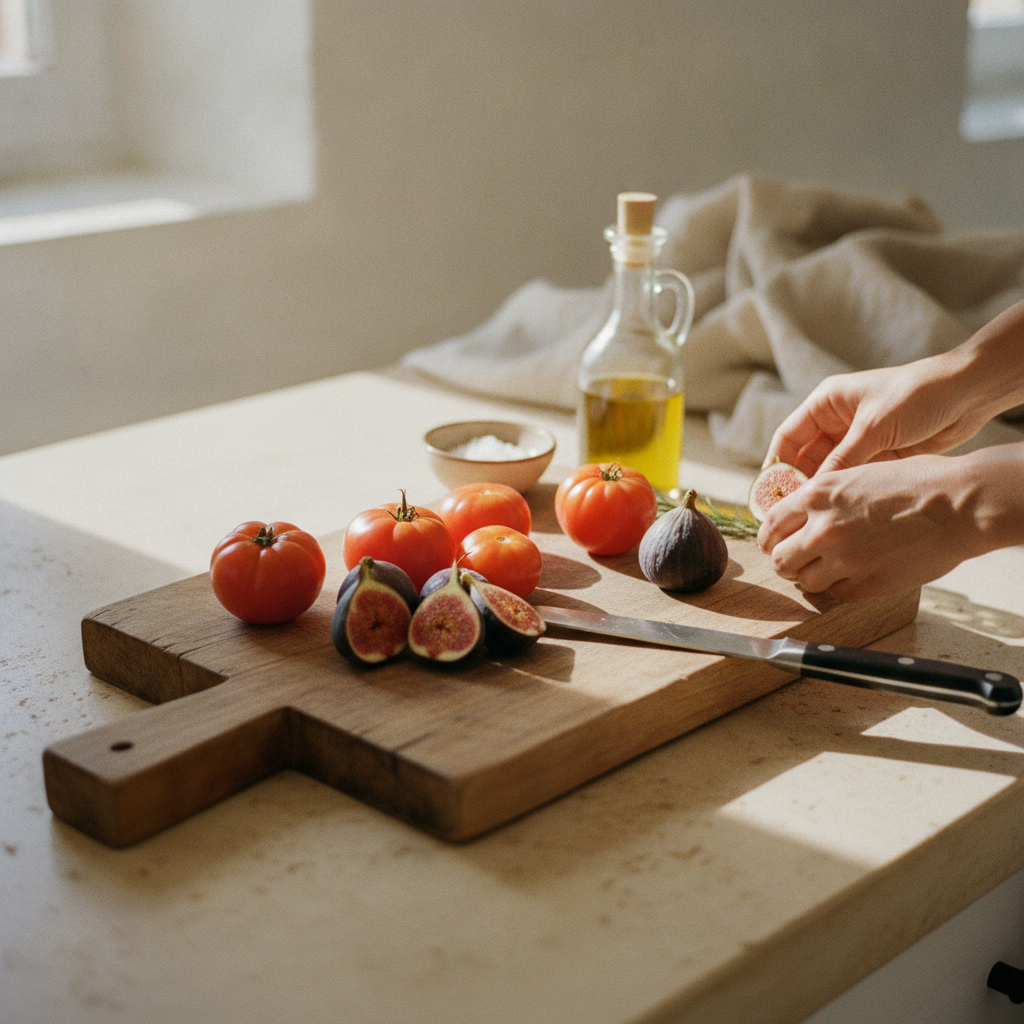
These are experienced travelers who often arrive by their own car from southern Germany and Austria or fly from Scandinavia into airports like Split and Zadar. Many stay for a week or longer. Due to high purchasing power, they are willing to pay more for premium service but are simultaneously extremely sensitive to accommodation quality.
BookiApp Data
September guests often comment in detail on cleanliness and host communication in their reviews, so these two areas deserve special attention.
Unlike July tourists who spend most of the day at the beach, September guests intensely utilize the apartment itself. They frequently cook, spend evenings on the terrace, and actively explore the destination's interior. Because of this, interior comfort and kitchen amenities are of crucial importance to them.
— 02What Guests From Germany and Scandinavia Seek Compared to Summer Tourists
Unlike summer guests who primarily seek beach proximity and air conditioning, September guests from Germany and Scandinavia demand reliable high-speed WiFi, heating options, and authentic gastronomic experiences. Their focus is on indoor comfort and opportunities for active holidays. September weather can be unpredictable, so the accommodation must function as a cozy refuge during rain.
Scandinavian and German tourists expect high amenity standards. Professional cleaning teams in Croatia spend an average of 60-90 minutes per 60-square-meter apartment, but for these guests, details like an immaculate bathroom are imperative.
These are the 3 key demands of September guests:
- Stable internet and workspace: Speeds above 50 Mbps are standard, as many combine vacations with remote work (workation).
- Heating and comfort: September nights bring a drop in temperatures. Inverter air conditioners, thicker duvets, and warm blankets are mandatory.
- Local recommendations: They look for restaurants serving local food that operate year-round, wine roads, and cycling trails.
The biggest mistake hosts make is closing the property in mid-September under the assumption that there is no demand. Demand exists, but it requires an adapted product.
— 03Pricing for Better Post-Season Occupancy
A rule-of-thumb strategy for September is to reduce prices by roughly 15 to 25% compared to the peak season in August. Maintaining July prices in September results in an empty calendar, while excessive discounting attracts a guest profile that does not match premium standards. The goal is finding a balance that ensures occupancy while retaining profitability.

Dynamic pricing is crucial here. Tools like PriceLabs, whose subscription for a single unit costs roughly €20 per month, automatically adjust prices based on local market demand. It is important to calculate fixed costs, including the Booking.com commission, which depends on your contract and is usually around 15%, and higher if you join programmes such as Preferred Partner. Check the exact rate in your Extranet.
15-25%
rule-of-thumb price reduction compared to August
10%
extra last-minute discount within 7 days of arrival
24 h
deadline to register a guest in eVisitor after arrival
German guests often book the post-season months in advance, while many Scandinavians book later, keeping an eye on the weather forecast. For last-minute demand, an additional 10% discount within 7 days of arrival is recommended.
— 04Targeted Marketing for the German and Scandinavian Markets
Successful post-season marketing requires optimizing titles on platforms like Booking.com and Airbnb, highlighting amenities important for autumn. The algorithms of these platforms reward listings that clearly communicate the perks desired during a specific time of year. Generic titles like "Apartment near the sea" lose their power in September.
Instead, titles and descriptions should be adapted. Highlight terms like "Heated", "Fast WiFi", "Quiet retreat", or "Workation friendly". Listing photos should also reflect the autumn mood. Adding one or two photos showing a cozy interior atmosphere, with ambient lighting turned on or a view of a peaceful terrace, can increase enquiries and bookings.
An important marketing tool is cancellation policies. Post-season guests are more often afraid of bad weather. Switching from "Non-refundable" to flexible conditions, where cancellation is free up to 3 or 5 days before arrival, eliminates this fear and can increase the number of bookings from these markets.
— 05Practical Tips: What Must Be Ready in the Apartment
Preparing the property for September involves checking heating systems, providing thicker duvets, and preparing a local guide with restaurants that operate after September 15th. September guests do not tolerate excuses like "the season ended so the restaurant is closed." The host must assume the role of a local expert and guide guests toward available amenities.
Before the first post-season guests arrive, a quick apartment audit is necessary. Autumn conditions require specific adjustments that are often neglected in the summer.
Here are 5 mandatory steps for preparing an apartment in September:
- Air conditioning check: Clean the filters and test the heating function.
- Extra bedding: Prepare at least 2 extra warm blankets or winter duvets per bed.
- Guidebook update: Remove recommendations for summer bars and add OPGs (family farms), wineries, and konobas (traditional taverns) that operate throughout autumn.
- Rain gear: Leave 2-3 large umbrellas in the apartment hallway.
- Quick check-in: Scandinavians prefer self check-in. Provide clear instructions and register guests in eVisitor (Croatia's national guest registration system) within the legal deadline of 24 hours after arrival [1].
The post-season in Croatia is not a time to slow down, but rather for strategic positioning. Hosts who recognize the value of German and Scandinavian guests and adapt their offering to their specific needs gain a significant market advantage. Quality preparation, smart price management, and superb communication turn September from the "end of the season" into one of the more profitable months of the year.
Frequently asked questions
1How much should I lower the apartment price in September?
As a rule of thumb, a reduction of roughly 15 to 25% compared to the August peak helps fill the calendar while keeping the business profitable. The exact figure depends on your location, property and local demand.
2What do German guests look for most in the post-season?
They seek absolute peace, authentic local experiences, stable high-speed WiFi (above 50 Mbps), and heating options because September nights are colder. They highly value recommendations for restaurants that operate year-round.
3Should I change cancellation policies in September?
Yes, transitioning to more flexible cancellation policies, such as free cancellation up to 3 days before arrival, is recommended. Post-season guests monitor weather forecasts more intensely, and flexibility makes it easier for them to commit to a booking.
4Where is the best place to advertise for the Scandinavian market?
Booking.com remains dominant in Croatia, but Airbnb is also popular with Scandinavian guests. It is crucial to clearly highlight amenities like heating and workspaces in the listing title and description.
BookiApp Tim
Guest Accommodation App
The BookiApp Team combines active hosting experience with analytical market insights. We write practical guides for small owners of apartments, villas, and rooms—no fluff, just concrete numbers and verified sources.
Related articles
Guest No-Shows: A Guide to Charging and Reporting in 2026
Learn how to securely charge a no-show reservation, handle Booking.com communication, and manage eVisitor reporting without penalties in 2026.
Read more
How Many Languages Must a Vacation Rental Host Know in 2026?
Discover how many languages vacation rental hosts in Croatia actually need to know in 2026. Explore English, German, AI tools, and WhatsApp translation tricks.
Read more