

Croatia's Shoulder Season: A Guide to Attracting German and Scandinavian Guests
BookiApp Tim
Vacation Rental Guest App
Key takeaway
Croatia's shoulder season, especially May and June, offers huge growth potential by attracting guests from Germany and Scandinavia. These guests, often couples 50+, seek peace, nature, and active holidays like cycling and gastronomy, not just sea swimming. Success hinges on pricing 30-50% lower than the high season, creating special packages (e.g., wine tours), and optimizing listings in German with photos that highlight nature and comfort.
Key points
- 1Target the Right Guest Profile: Focus on couples 50+ from Germany and Scandinavia who are interested in active holidays, gastronomy, and culture, not just swimming.
- 2Create Value-Added Packages: Instead of just cutting prices, offer packages that include bike rentals, wine tastings, or gourmet experiences to increase booking value.
- 3Optimize Listings for Germany: Use professional German translations and photos showcasing nature, comfort, and relevant activities to build trust and attract bookings.
- 4Highlight Key Amenities: Emphasize features crucial for this demographic, such as secure bike storage, fast Wi-Fi, heating, and local guides.
- 5Use Targeted Marketing: Leverage the Booking.com Genius program, collaborate with your local Turistička zajednica (TZ), and run targeted ads to reach your ideal audience.
Table of contents
Tourism growth in Croatia's shoulder season is outpacing growth in the high season. Data from the Ministry of Tourism and Sport shows a continuous increase in overnight stays in May and June, creating a significant opportunity for rental owners looking to extend their season and secure a more stable income. [1]
While July and August are reserved for mass tourism focused on sun and sea, the shoulder season attracts a different guest profile. Understanding their needs and expectations is key to filling your calendar before the summer rush.
This guide analyzes who these guests are, what they're looking for, and how you can adapt your offer and marketing to attract them to your property in Istria, Dalmatia, or Kvarner.
— 01Who Are Shoulder Season Guests and What Do They Expect?
Typical shoulder season guests are couples over 50 and active travelers from Germany, Austria, and Scandinavia. They aren't primarily coming to swim but are looking for peace, pleasant weather, authentic experiences, pristine nature, and culinary offerings. Lower sea temperatures, around 18°C in May, are not a deterrent for them. [2]
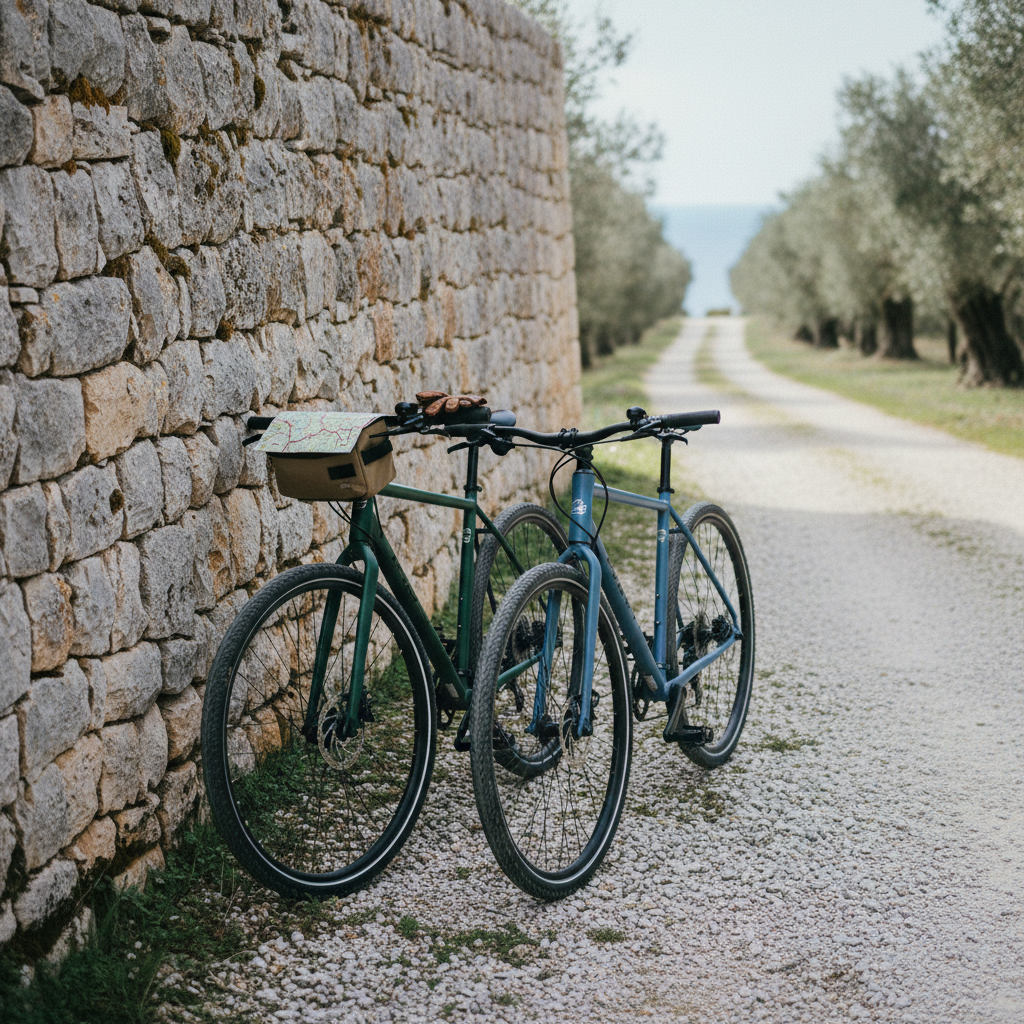
These guests have higher purchasing power and are more flexible with travel dates because they aren't tied to school holidays. Their interests are specific:
- Active Holidays: Cycling (e.g., Parenzana in Istria, trails on Brač), hiking (Biokovo, Učka), and long walks by the sea.
- Gastronomy and Enology: Visits to wineries, olive oil tastings, and restaurants with local cuisine. Istria and Pelješac are favorites here.
- Culture and History: Exploring cities like Split, Dubrovnik, and Rovinj without the summer crowds.
- Peace and Relaxation: They want to avoid the crowds and noise of the high season. A terrace with a view of greenery or the sea is a key part of their experience.
They expect impeccable cleanliness, comfort, high-quality and fast Wi-Fi for planning excursions, and personal recommendations from the host for local restaurants and activities.
In the shoulder season, you're not just selling a bed; you're selling a curated experience of Croatia without the crowds.
— 02How to Optimize Your Listing for the German and Scandinavian Markets?
To attract guests from German and Scandinavian-speaking regions, your listing must be tailored to their expectations. This involves a professional translation, carefully selected photos, and highlighting relevant amenities. A generic listing focused on summer parties will not succeed.
Language and Description
A professional translation of your listing into German is the absolute minimum. Research shows that German travelers significantly prefer to search and book in their native language, which increases trust and the likelihood of a booking. Avoid automatic translators as they often sound unnatural and reduce credibility.
In your property description, emphasize what's important to them:
- Distance to cycling and hiking trails.
- Quiet location and privacy.
- Availability of heating (for cool evenings in May).
- Proximity to quality restaurants or wineries.
Photographs
Photos are your most powerful tool. Instead of focusing exclusively on beaches and turquoise seas, your gallery should tell the story of a shoulder-season experience.
- Priority: Show the terrace or balcony with a seating area, ideally with a view.
- Activities: Include professional photos of nearby cycling trails, olive groves, vineyards, or promenades.
- Interior: Highlight comfort—a quality bed, a well-equipped kitchen, and a cozy living room.
- Atmosphere: A photo of a couple enjoying a glass of wine at sunset is more powerful than a photo of a crowded beach.
Amenities
Highlight amenities that meet the needs of active guests:
- Secure bicycle storage: This is often a deciding factor for cyclotourists.
- Fast Wi-Fi: Essential for researching routes and planning the day.
- Coffee maker: A small detail that Scandinavians and Germans greatly appreciate.
- Maps and guides: Leave maps of local trails, restaurant recommendations, and winery brochures in the apartment.
— 03Pricing and Packages: How to Structure Your Offer for May and June?
Shoulder season accommodation prices must be significantly lower than in the high season, typically between 30% and 50%. However, instead of competing solely on price, it's smarter to create value-added packages that attract guests and increase the average booking value.
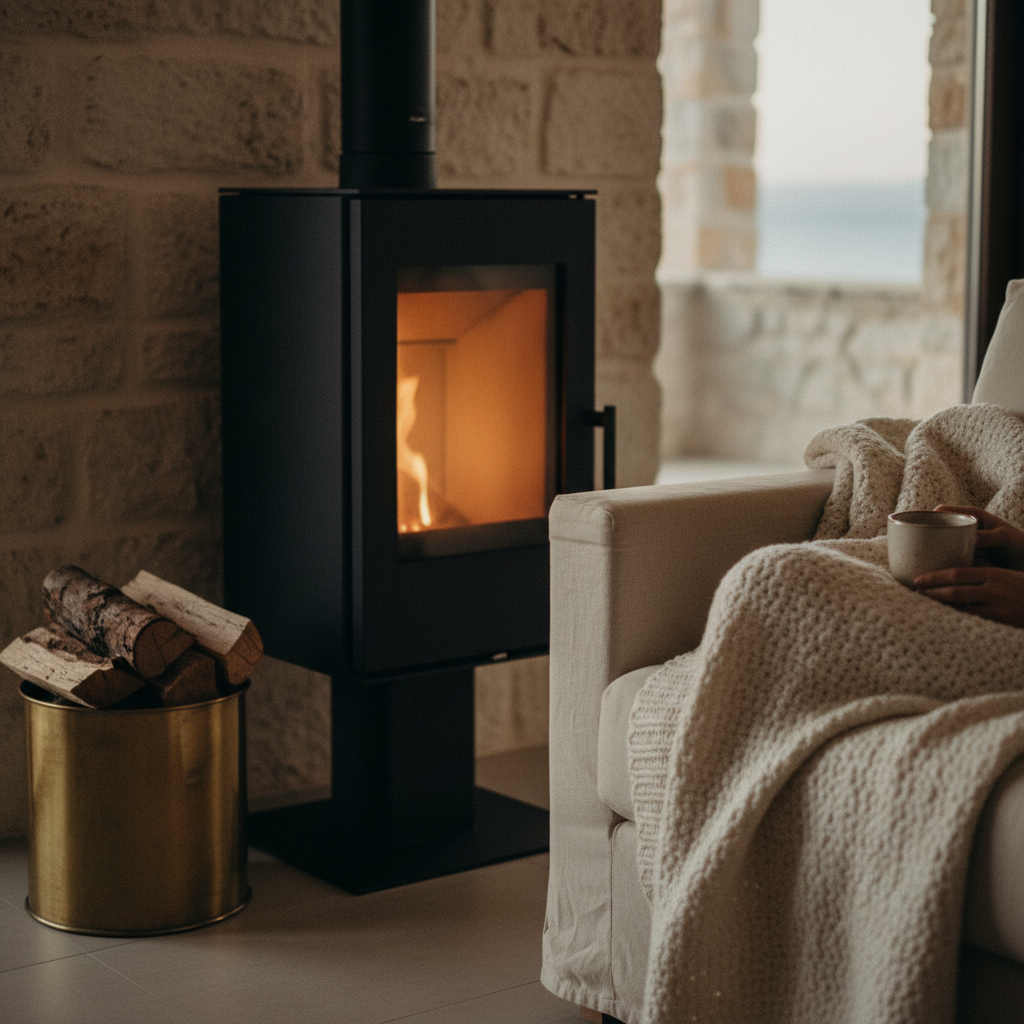
Using a dynamic pricing tool like PriceLabs (which starts at $19.99/month for a single unit in Europe, with discounts for more units) can help optimize daily rates based on demand and competition. [3]
Example Pricing Strategy for an Apartment (2+2) in Trogir:
| Period | Average Nightly Price (2026) |
|---|---|
| May (May 1 - June 15) | 95 EUR |
| June (June 16 - June 30) | 130 EUR |
| July / August (Peak Season) | 190 EUR |
| September | 120 EUR |
BookiApp Data
Based on data from over 200 rental owners in the BookiApp database, properties offering themed packages in the shoulder season achieve 15-20% higher occupancy in May compared to those that only lower their prices.
Ideas for Shoulder Season Packages:
- Bike & Stay Package: Includes 7 nights, secure bike storage, and detailed maps of local trails. Partner with a local bike rental agency to offer a discount.
- Gourmet Week: A package that includes a welcome gift of local wine and olive oil, plus a dinner voucher for a recommended restaurant.
- Wine Lover's Escape (for Istria/Pelješac): Organize a visit to two local wineries with tastings, included in the price of a minimum 5-night stay.
— 04What Are the Most Effective Marketing Channels?
Reaching a specific shoulder season audience requires a targeted marketing strategy. Relying solely on organic traffic from major platforms is not enough. The most effective approach combines optimization on OTA platforms with proactive local partnerships.
Channels that yield the best results:
- 1 Booking.com Genius Program: This loyalty program targets frequent travelers, a characteristic of shoulder season guests. By activating the Genius program (which offers a 10-20% discount), your property gains better visibility and a special badge, significantly increasing bookings from experienced travelers.
- 2 Local Tourist Boards (Turistička zajednica - TZ): Many TZs, like the Istria County Tourist Board or the Split-Dalmatia County Tourist Board, have strong promotional campaigns for the shoulder season focused on outdoor activities and gastronomy (e.g., 'Istria Bike'). Contact your local TZ to see how you can get involved in their campaigns or be listed on their specialized websites.
- 3 Niche Portals and Blogs: Research portals specializing in cycling or gastronomy in Germany (e.g., 'Bike Magazin' or 'Der Feinschmecker') and offer a collaboration or advertising.
- 4 Targeted Social Media Advertising: Use Facebook and Instagram ads to target users in Germany, Austria, and Scandinavia with interests like 'mountain biking,' 'wine tasting,' 'hiking,' and 'Dalmatia.' Show them visuals that match their interests.
75%
of German travelers use online portals to book accommodation
Up to 70%
more search result views by Genius guests for properties in the Booking.com Genius program
2x
higher return on investment through collaboration with TZ campaigns
Case Study: Villa Oliva in Istria
The owners of a villa with a pool near Rovinj were facing low occupancy in May, averaging below 40%. They decided on a strategic shift.
- Action 1: They hired a professional translator for their German listing description.
- Action 2: They updated their photo gallery with pictures showing the heated pool, bike storage, and proximity to the Parenzana trail.
- Action 3: They created an "Istrian Bike & Gourmet" package for May that included 7 nights, a 3-day rental of two e-bikes, and a tasting voucher for a nearby winery.
- Action 4: They priced the package higher than the standard nightly rate, but it offered significant perceived value through the included services.
- Action 5: They joined the Genius program on Booking.com and promoted the offer through the local TZ's Facebook page.
Result: Occupancy in May of the following year jumped to 90%, with most guests being couples from Germany and Austria who booked the package deal.
Extending the season into May and June is no longer just an option but a strategic necessity for rental owners who want to operate sustainably and profitably. Instead of passively waiting for the summer peak, a proactive approach focused on the specific needs of guests from Germany and Scandinavia can transform the shoulder season into one of the most successful parts of the year. The key is to understand that they are not just looking for accommodation, but a complete experience.
Sources
Frequently asked questions
1How far in advance do Germans and Scandinavians book for the shoulder season?
Guests from Germany and Scandinavia are known for planning early. For trips in May and June, most bookings are made 3 to 6 months in advance, often as early as January and February. Tracking 'early-bird' trends is crucial.
2Is it necessary to speak German to communicate with guests?
It's not mandatory, as most younger and middle-aged Germans and Scandinavians speak English well. However, knowing basic German phrases makes an excellent impression. A professionally translated listing and in-apartment materials are more important than fluency.
3What are the most popular shoulder season dates for the German market?
The highest demand from the German market is around their public holidays, such as Labor Day (May 1), Ascension Day (Christi Himmelfahrt), and Pentecost (Pfingsten), which shift each year but typically fall in May or early June.
4Is it worth investing in a heated pool for the shoulder season?
Absolutely. A heated pool is one of the strongest assets for attracting guests in May and June when the sea is still cool. This investment allows you to justify a 15-25% higher nightly rate and stand out significantly from the competition.
BookiApp Tim
Vacation Rental Guest App
The BookiApp Team combines the experience of active vacation rental hosts with analytical market insights. We write practical guides for small-scale owners of apartments, villas, and rooms—no fluff, just concrete numbers and verified sources.
Related articles

Vacation Rental Insurance: What Airbnb and Booking Don't Cover (2026)
Think Airbnb AirCover or Booking.com's insurance has you covered? Discover what these platforms miss, from guest liability to property damage, and what policy you actually need.
Read more
How to Get Guests to Book Direct and Save 18% on Commissions
A guide for vacation rental hosts in Croatia: Learn how to legally encourage guests to book direct, avoid Booking.com's 15-18% commission, and build a loyal guest base.
Read more